Is Jiu Jitsu Therapeutic? Exploring the Mental Health Benefits of BJJ.
When most people think of therapy, they imagine a quiet room, a comfortable chair, and a deep conversation about the stresses of life.
But did you know that the mental health benefits of Brazilian Jiu Jitsu (BJJ) are becoming mainstream? When therapists, military veterans, and mental health experts start recommending time on the mats as a valid form of stress relief, people pay attention.
Jiu Jitsu is essentially therapy in motion. Let's dive into why rolling on the mats is just as beneficial for your mind as it is for your body.
The Mind-Body Connection: Finding Mindfulness on the Mats.
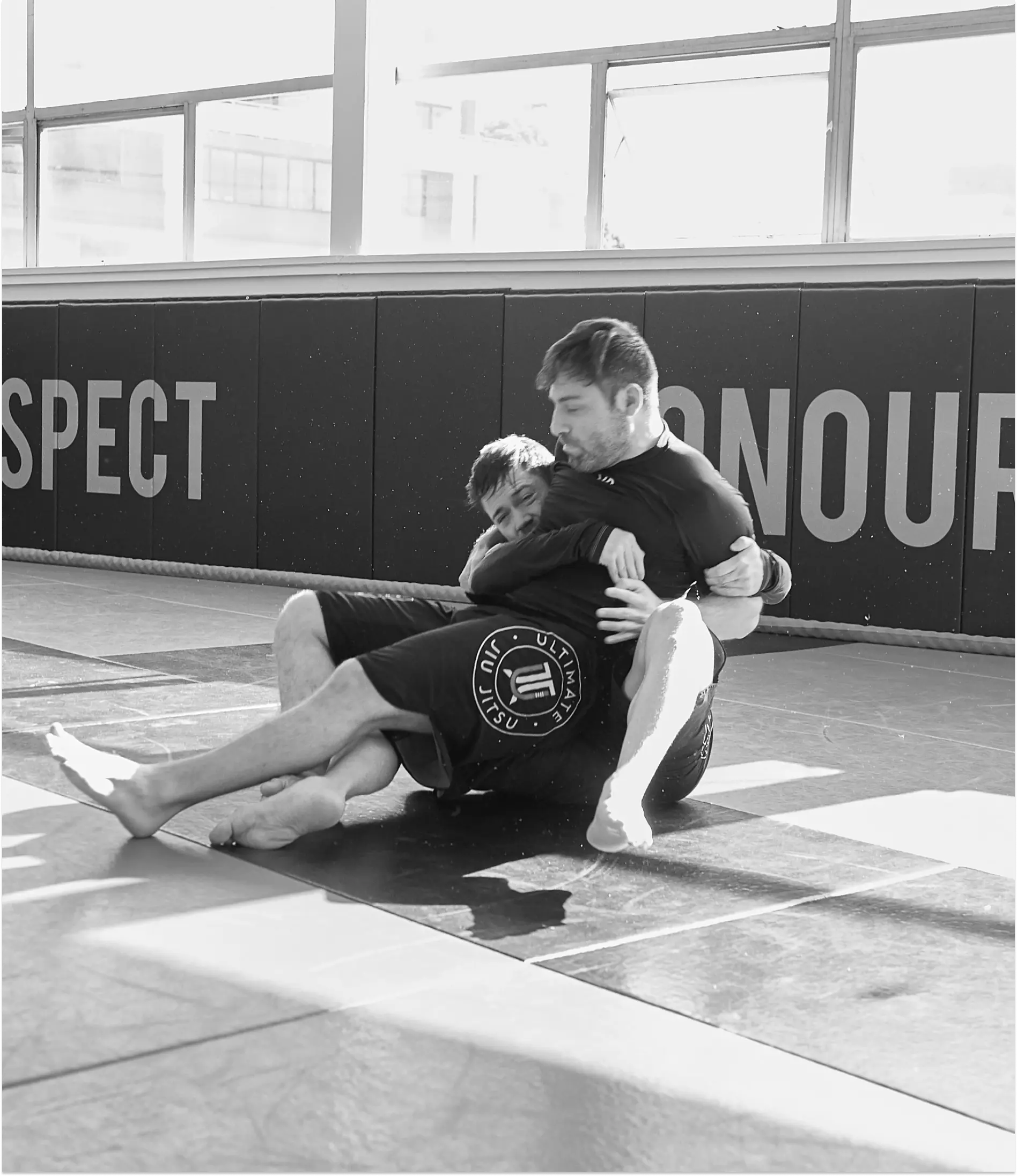
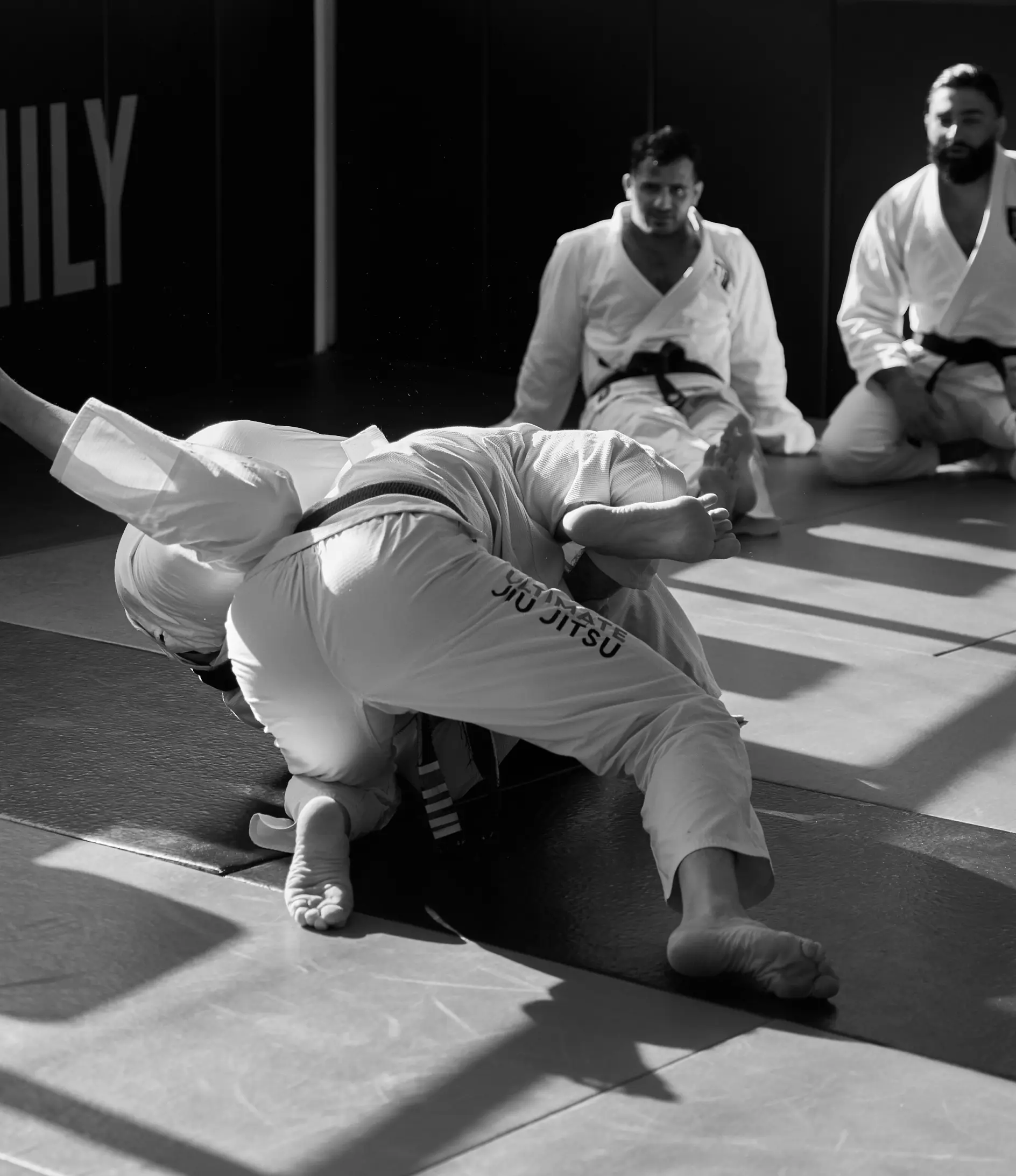
Training forces you to put your problems aside and get out of your own head. Practicing Jiu Jitsu demands absolute presence.
Every roll requires you to tune into your body and focus entirely on your training partner.
You can’t worry about relationship drama, unread emails, or unpaid bills when you’re in the middle of a roll defending a submission. It’s all about being completely present in the moment.
To survive and thrive on the mats, you must:
- Let go of external stress and anxiety.
- Control your breathing and stay calm under pressure.
- Look for strategic gaps and fight for position.
The simple act of focusing on your breath while defending a bad position teaches a profound level of mindfulness, giving you the skills to remain calm in stressful situations off the mats as well.
Building Emotional Resilience and Personal Growth.
Jiu Jitsu is inherently humbling. You win some, you lose some—and some days, you spend the entire round getting squashed by someone half your size.
But this discomfort is exactly where personal growth flourishes. Facing defeat, frustration, and physical exhaustion teaches you how to handle setbacks with grace. Over time, BJJ builds a deep emotional resilience, equipping you to tackle life's everyday challenges. The mat becomes a mirror, reflecting your strengths, exposing your weaknesses, and encouraging continuous self-improvement.