
6 Months of Jiu Jitsu Progress in 1 Month

Is Jiu Jitsu Therapeutic? Exploring the Mental Health Benefits of BJJ.

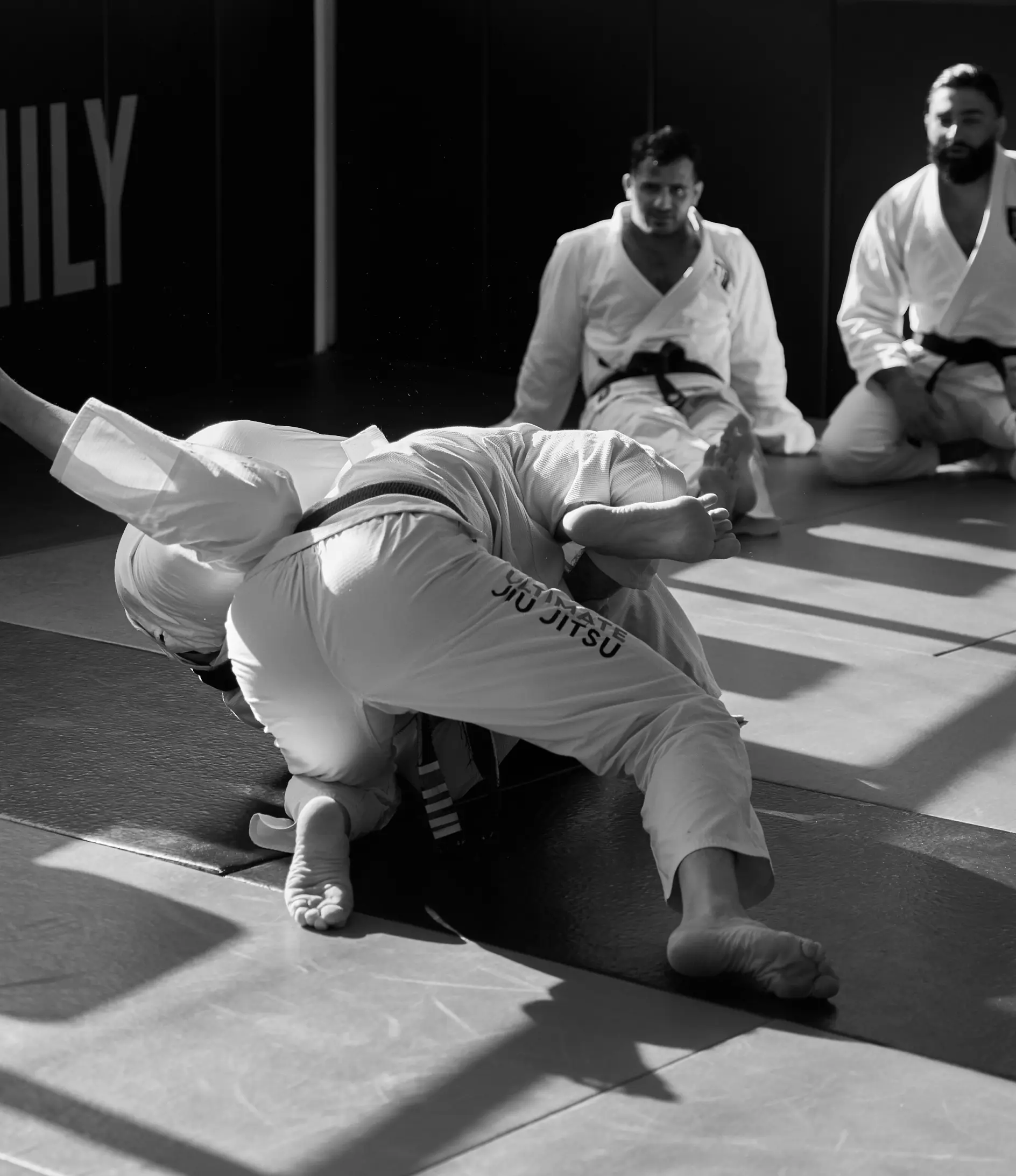
Walk onto the mats of any Jiu Jitsu academy on a Wednesday night, and you'll witness the same familiar scene. The instructor demonstrates the technique of the day—let's say it's a scissor sweep from closed guard—asks for questions, claps their hands, and sets the timer.

"Alright, grab a partner. Five minutes."

As an instructor pacing the room, this is where the real learning happens. It’s not during the demonstration; it’s in the drilling. And as you walk up and down the mats, you will immediately notice that the room divides itself into two very distinct types of students.

Which one are you?
Type 1: The "Got It" Grappler

We all know this student. They pair up, hit the scissor sweep once on the left, once on the right, and then sit back on their heels.

"Cool, I got it," they say to their partner.

For the remaining four minutes of the round, they talk about the latest UFC card, adjust their rash guard, or stare blankly at the ceiling waiting for the buzzer. To them, Jiu-Jitsu is an intellectual exercise. Once their brain understands the sequence of steps—grip the collar, control the sleeve, drop the knee, sweep—they believe they have "learned" the move.

Type 2: The Repetition Machine

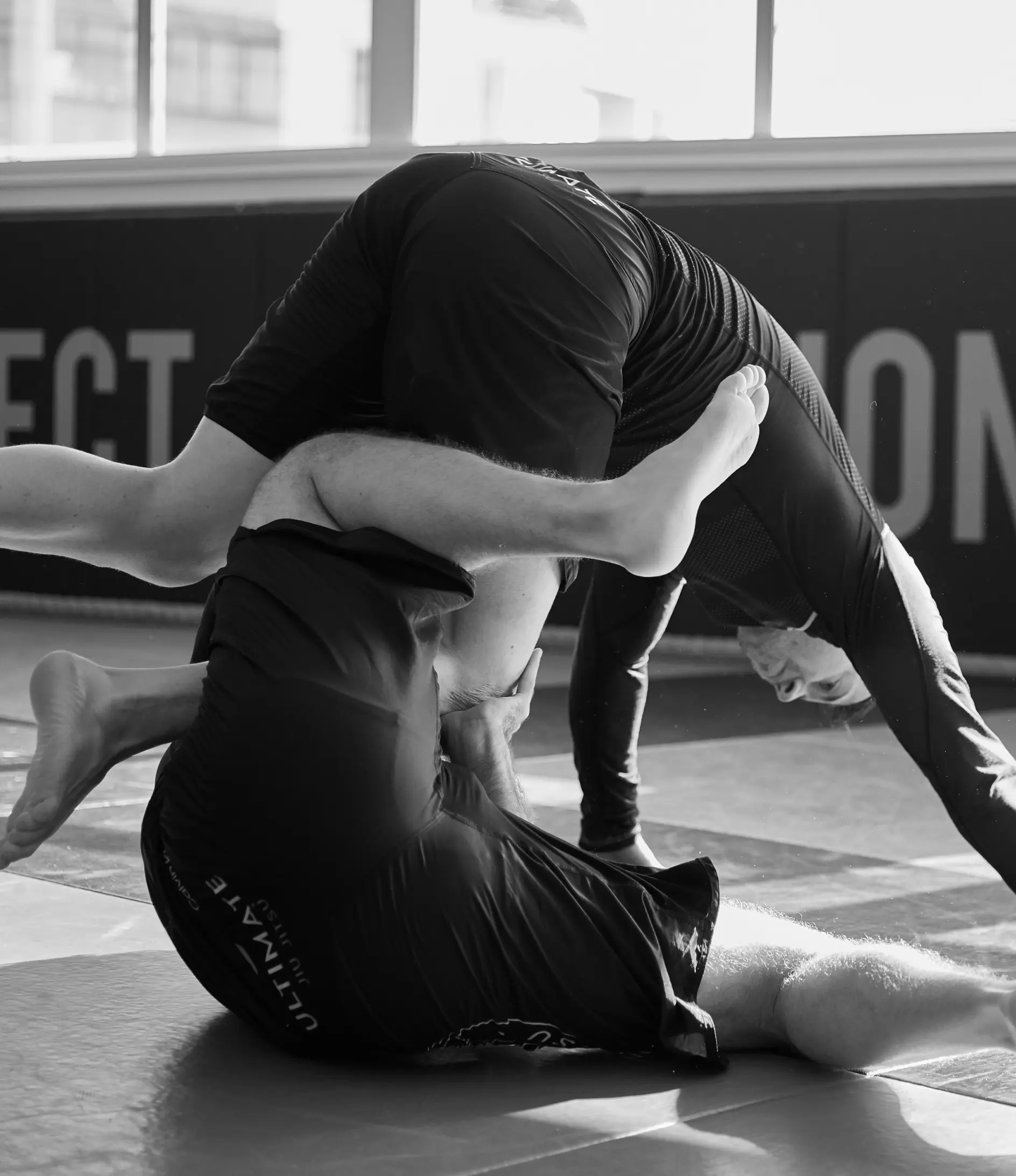
A few feet away, you have the second type of student. When the timer starts, they go to work.

They hit the sweep. Then their partner hits the sweep. Then they hit it again, making a minor adjustment to their collar grip. They do 10 reps on the left, 10 reps on the right, and then they swap. They are quiet, focused, and sweating. They aren't just trying to memorize the steps; they are trying to carve the movement into their nervous system.

The Math of Mastery: 1 Month vs. 6 Months

Let’s break down the cold, hard math of what happens when you project these two habits over time.

If Type 1 does 2 reps per class, and Type 2 does 12 reps per class, the gap in their experience begins to widen immediately. By the end of a single month of training (roughly 12 classes), Type 1 has executed that sweep 24 times. Type 2 has executed it 144 times.

In just one month, the Type 2 student has accumulated the equivalent of six months of the Type 1 student's training.

When sparring time comes, Type 1 will wonder why their sweep feels clunky, slow, and easily defended. Type 2 won't even have to think about it; their body will just react. Muscle memory doesn't care about your intellectual understanding of a technique. It only cares about reps.

The Boxing Reality Check.

If you want to see how absurd the "Got It" Grappler's mentality is, you only have to look at striking sports.

Imagine a boxer walking into a gym, wrapping their hands, and stepping up to the heavy bag. They throw a left jab. They throw a second left jab. Then, they drop their hands, turn to their coach, and say, "Alright coach, I got the jab down. I understand the mechanics. What's next?"

The coach would laugh them out of the building.

In boxing, it is universally understood that you don't throw a punch until you "get it." You throw it ten thousand times until you can't get it wrong. You throw it until your shoulder burns, your footwork is automatic, and the snap of the bag is second nature.

For some reason, because Jiu-Jitsu involves complex grappling puzzles with a cooperative human partner, people forget this fundamental rule of combat sports. A technique in your head is useless when someone is trying to pass your guard. You need the technique in your bones.

The Takeaway.

The next time the instructor claps their hands and tells you to drill, treat your partner like a heavy bag (safely, of course). Don't stop when you understand it. Stop when the timer tells you to stop.

Be the repetition machine. Condense six months of progress into four weeks, and watch your game transform.